Skip to content


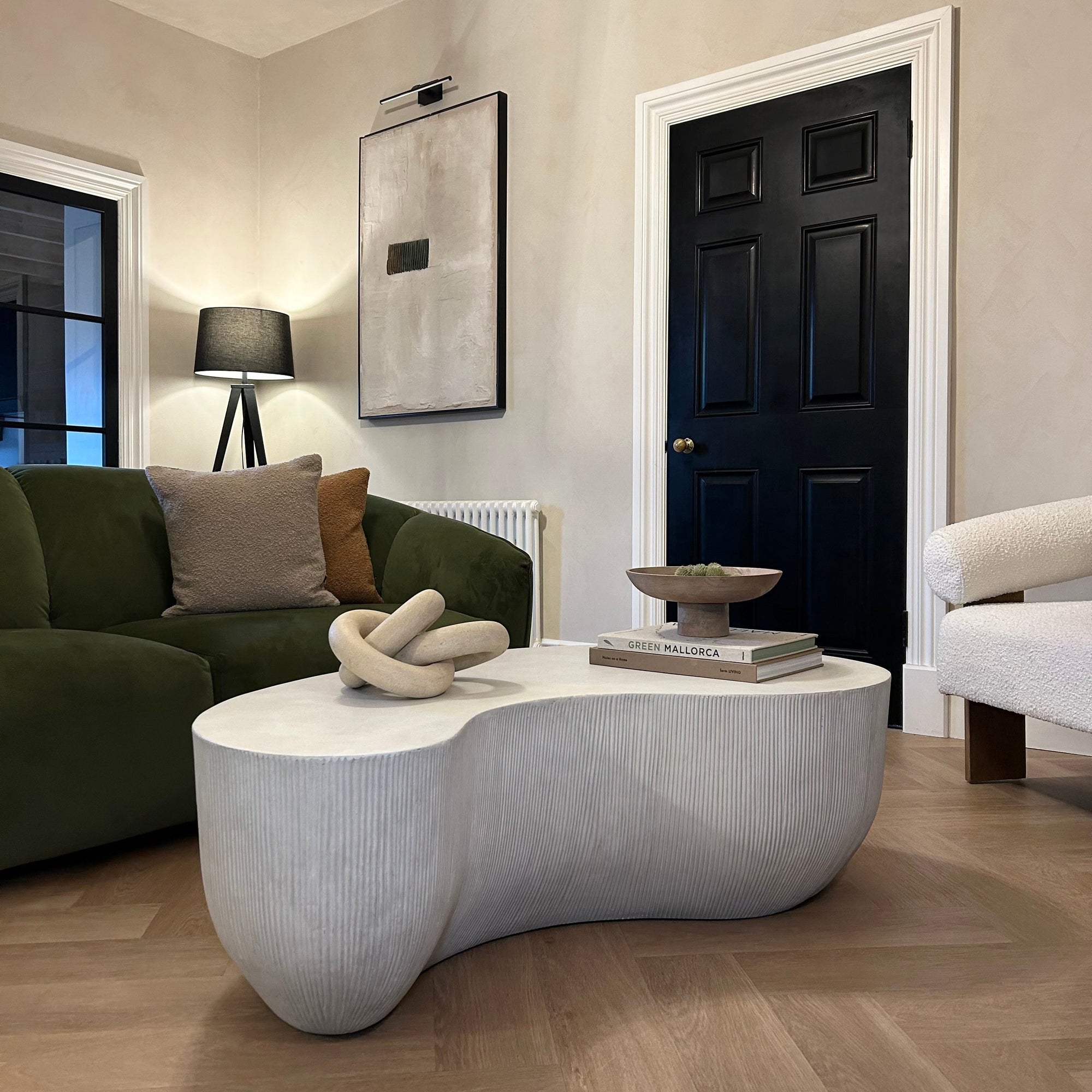
It feels like, for years now, interior trends have been obsessed with everything white, pastel or creamy beige. But a shift has happened among designers and interior magazines. Now they are embracing darker tones and working in natural colours.
Light colours might bring a sense of bright airiness to a space but dark colours can add depth and atmosphere. There's something cosy about being in a space occupied by dark wood furniture and earthy colours.
Why Use Dark Wood Furniture?
In essence, dark woods such as walnut bring a sense of luxury to furniture. A stained espresso wood can feel richer because of the deep tone of the grain.
There are two key ways to utilise dark wood furniture. The first is to place them against a backdrop of lighter walls and neutral colours to act as a contrasting piece that draws the eye and grounds the design in a way that's not possible with light furniture.
The second method is to complement the furniture with natural materials. Leather upholstery, bouclé fabrics and the green of indoor plants, will all help to create a warming atmosphere with the furniture.
The two methods can be used on their own or together as a way to layer colours and materials within a room to create a luxurious interior.

Make a Statement with a Dark Wood Mirror
A dark wood mirror can become more than a practical addition to a room. Its deeper tones add contrast and definition, while the reflective surface helps bounce natural and ambient light around the space. This makes it particularly effective in rooms with darker colour palettes or limited natural light, where it can add depth without making the space feel enclosed.
A tall standing dark wooden mirror creates an instant focal point, while organically shaped design can introduce height and movement in hallways, bedrooms or dressing areas. In smaller spaces, pairing the mirror with considered lighting, from sculptural lamps to subtle accent or LED lighting, can further enhance its shape and create a softer atmosphere.
The result is a piece that works as both a functional mirror and a defining element of the room's décor.

Why is Dark Wood Furniture Not Used Very Often?
Some people are afraid to use dark wood for a couple of reasons. For some it reminds them of their grandparents house and they associate it with older fashions. Others fear that it will overpower the look of the room and make it feel smaller. But neither of these has to be true.
In reality, colour choice can have more impact than the furniture tone itself. Dark wood works particularly well with rich shades such as burgundy, oxblood and deep terracotta, creating a cohesive, layered feel rather than stark contrast. The right accessories and choice of furniture will create a look that is both modern and striking.
For a lighter aesthetic, seafoam green, soft blue and warm neutrals can soften the depth of dark wood while allowing it to remain the focal point. Colour drenching can take this further, with the same shade used across walls, ceilings and even wood panelling. Dark, earthy tones can also work beautifully alongside limewash finishes, particularly when complemented by deeper décor or dark wood flooring.

Lighting That Brings Dark Wood to Life
Once you have established your colour palette, lighting is key to how dark wood looks and feels within the room. Layered lighting, from task lighting in reading areas to accent lighting that highlights texture and ambient lighting that softens the overall space, can make dark wood feel warm and inviting rather than stark.
A dark wood vanity or dressing table can take on a more luxurious feel when paired with soft lamps and reflective surfaces, while a dark mirror positioned near a window can capture natural light and outdoor views. Sculptural lamps placed alongside a wooden armoire or cabinet can also draw attention to the grain, adding depth while enhancing the mirror's reflective surface.
Good lighting doesn't hide dark wood. It brings out its warmth, texture and character.

How Dark Furniture Speaks to Current Home Decor Trends
Looking back at 2026 so far, one of the clearest shifts in interiors has been the move away from pale, perfectly coordinated spaces towards rooms with more depth, texture and personality. Dark wood has been central to this change, with walnut, deeper oak, burl and other richer finishes appearing alongside vintage pieces, tactile fabrics and warmer colour palettes.
The emphasis has also moved towards homes that feel collected rather than styled in a single sitting. Mixing contemporary furniture with vintage-inspired pieces, natural materials, aged finishes and personal objects creates interiors with more character and individuality. Dark furniture naturally suits this approach, providing visual weight while connecting different textures, colours and periods.
For dark wood, this means moving beyond the idea that every piece needs to match. Varied wood tones, expressive grain, curved silhouettes, rich fabrics and reflective surfaces can sit together to create a room that feels layered rather than overly coordinated. A dark wood mirror can play a particularly useful role, combining the warmth and depth of timber with the light and openness created by reflection.
Confidence in Design Form
For William Wood, this is where dark wood mirrors have their place. Their combination of rich timber tones and reflective surfaces allows them to work across changing interior styles, whether paired with contemporary furniture, vintage-inspired pieces, layered textures or more minimalist surroundings.
Rather than simply following the next interiors trend, a dark wood mirror can become part of a room's longer-term character: a functional piece that adds depth, reflects light and brings a sense of craftsmanship to the space.